
Adder stone
A naturally holed stone with ancient magical and folkloric significance.

Tofergregg · CC BY-SA 3.0
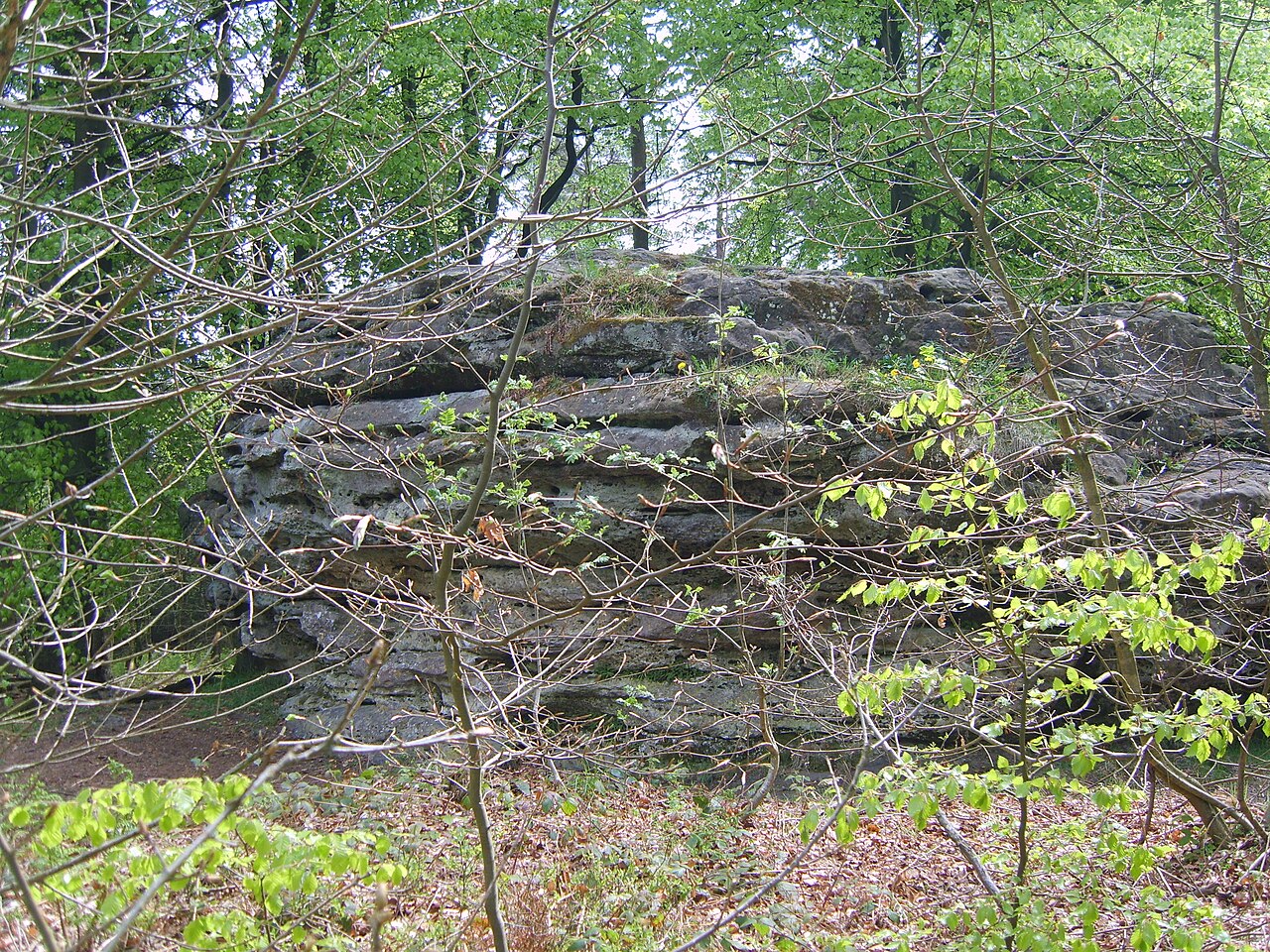
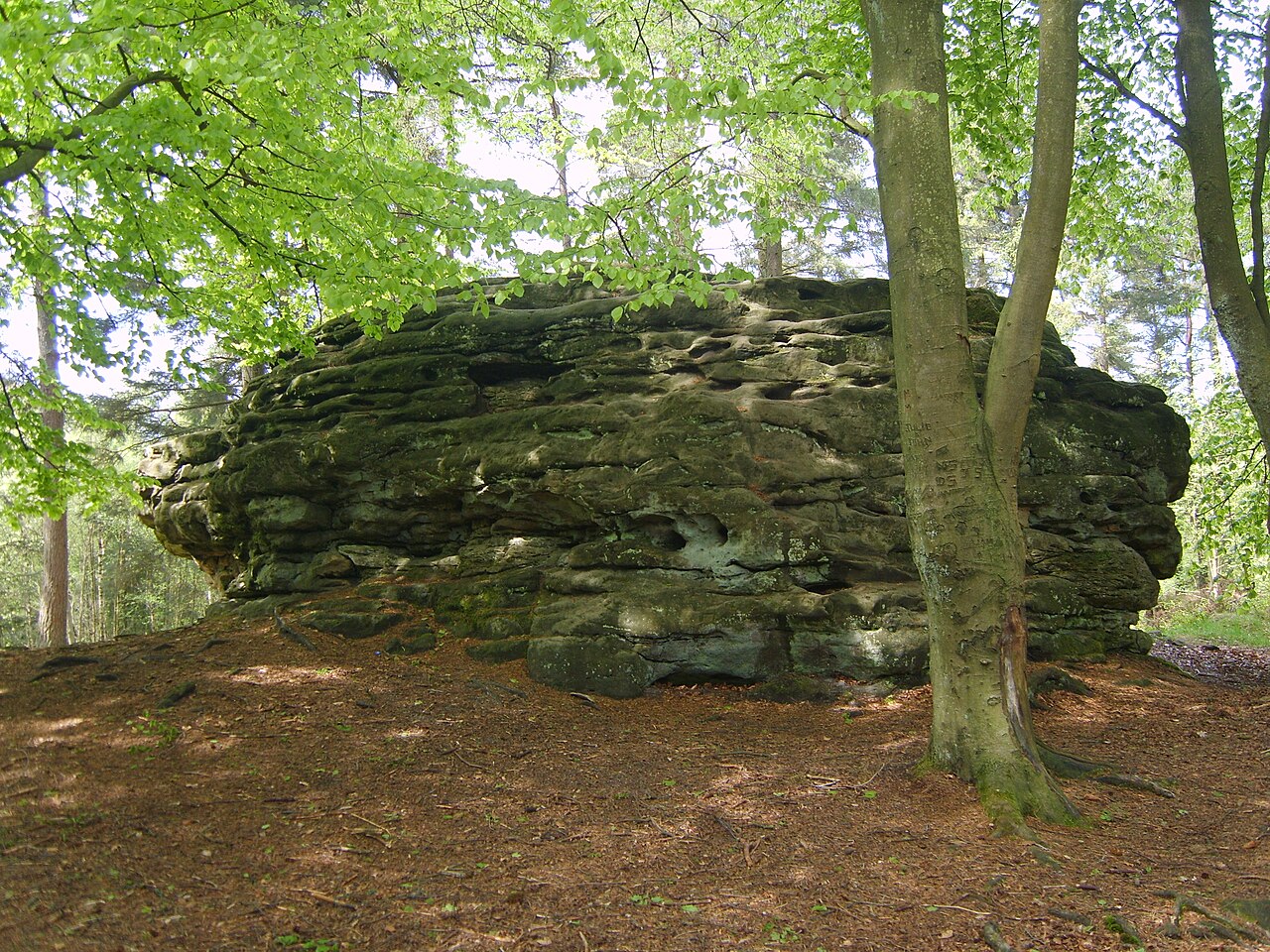
An adder stone is a type of stone, usually glassy, with a naturally occurring hole through it. Such stones are commonly found in Northern Germany at the coasts of the North and Baltic Seas. They are associated with various folk traditions and magical beliefs across Europe, particularly in Britain, Germany, and Russia.
- type
- Natural stone artifact
- also_known_as
- Hag stones, witch stones, fairy stones, serpent's eggs, snake's eggs, Glain Neidr, milpreve, adderstanes, Gloine nan Druidh, Hühnergötter, Kurinyi Bog
- materials
- Glassy stone, pebbles with natural holes
- regions_found
- Britain, Northern Germany
- earliest_attested_belief
- At least 15th century
- notable_reference
- Pliny's Natural History, Book XXIX (describes the anguinum, a cartilaginous serpent's egg, not a holed stone)
Lore & Background
Various traditions exist as to the origins of adder stones. One holds that the stones are the hardened saliva of large numbers of serpents massing together, the perforations being caused by their tongues. There are other claims that an adder stone comes from the head of a serpent or is made by the sting of an adder. The more modern and perhaps easier to attain artefact would be any rock with a hole bored through the middle by water. Stones shaped by human intervention are not considered adder stones, which are formed naturally.
In Welsh mythology, the Glain Neidr or Maen Magi is closely connected to Druidism and believed to be created by a congress of snakes, normally occurring in spring, but most auspicious on May Eve. The Mabinogion mentions such stones: in the story of Peredur son of Efrawg, a magical stone allows him to see and kill an invisible creature called the Addanc; in Owain, or the Lady of the Fountain, a stone given by a maiden turns Owain invisible. In Russian folklore, adder stones were believed to be the abodes of spirits called Kurinyi Bog, guardians of chickens, placed in farmyards to counteract the evil effects of Kikimora. In English folklore, adder stones were associated with magical powers, especially if hung by a string. A common early belief, attested from at least the 15th century, was that hanging a stone over a person or horses could prevent nightmares. Reginald Scot in 1584 gave a cure for 'The mare' involving hanging such a stone over the afflicted person's bed. Thomas Blundeville in 1565 recorded the practice of hanging a flint stone with a hole above a horse's stable to protect it from nightmares.
Reader's Guide
Adder stones, also known by many regional names such as hag stones, witch stones, or Hühnergötter, represent a cross-cultural folk artifact whose significance spans millennia and multiple civilizations. The stones are naturally occurring, usually flint, with a hole through them, and have been found by archaeologists in Britain and Egypt, with common occurrence on the coasts of Northern Germany. Their lore is deeply rooted in ancient beliefs: Pliny the Elder recorded Druidic rituals for obtaining them, attributing to them powers of legal success and royal favor, though he also noted the fatal consequences for one Roman knight who possessed one. In Welsh mythology, they appear in the Mabinogion as tools for invisibility and defeating supernatural creatures. Russian folklore assigned them protective roles for chickens against the Kikimora. English folklore, attested from at least the 15th century, prescribed them as cures for nightmares in humans and horses, a practice that continued into the 20th century, as documented by Edward Lovett in 1928. The stones also served as general luck charms, with a 1984 report from Essex indicating ongoing belief. The Hastings legend of Crowley's Curse adds a modern layer, requiring a holed stone from the beach to break the enchantment. The persistence of these beliefs across time and geography underscores the enduring human fascination with natural objects perceived to hold supernatural power, and the adder stone remains a tangible link to ancient magical traditions.
Did You Know?
- Adder stones are also called Hühnergötter ('chicken gods') in Germany.
- Pliny the Elder recorded that the Druids believed adder stones could be tested by floating them against a stream's current, even if set in gold.
- In Welsh mythology, a magical stone in the Mabinogion allowed Peredur to see and kill an invisible creature called the Addanc.
- A 1984 report from Essex, England, recorded a woman keeping stones with holes on her window-sill for luck.
Physical Nature and Geographic Range
An adder stone is a naturally perforated stone, typically glassy in appearance, with a hole running through it. Most commonly composed of flint, these stones have been unearthed by archaeologists in both Britain and Egypt, though they are most frequently encountered along the coasts of the North and Baltic Seas in Northern Germany. A key distinction in their identification is that the perforation must be entirely natural in origin; stones shaped by human intervention—whether through directed water flow or deliberate placement—do not qualify as true adder stones. The more modern and accessible interpretation of an adder stone is simply any rock through which water has naturally bored a passage. Despite their modest physical appearance, these stones have accumulated an extraordinary web of folklore across multiple cultures, earning them dozens of regional names from hag stones and serpent's eggs in Britain to Hühnergötter, meaning "chicken gods," in Germany, and Glain Neidr in Welsh tradition.
Pliny's Account and Druidic Ritual
The Ancient Roman natural philosopher Pliny the Elder devoted a passage in Book XXIX of his Natural History to the adder stone, describing it as an object of high renown among the Druids of the Gallic provinces. According to Pliny, the Druids claimed that in summer, vast numbers of snakes would entwine themselves and produce a viscous, foamy substance called anguinum, which they ejected into the air by hissing. A collector had to catch the "egg" in a cloak before it touched the ground, then flee on horseback, as the serpents would pursue him until a river intervened. Pliny noted the Druids insisted the stone's genuineness could be tested by its ability to float against a current, even when set in gold, and that it could only be gathered on a specific lunar day. Pliny himself reported seeing one—round, apple-sized, with a cartilaginous shell and polypus-like cupules. He recorded that possession was said to ensure success in law-suits and favorable reception with princes, yet he cited the case of a Roman equestrian from the Vocontii territory who was slain by Emperor Tiberius simply for carrying one during a trial.
Welsh Mythology and the Glain Neidr
In Welsh tradition, the adder stone is known as the Glain Neidr or Maen Magi, and its mythology is deeply intertwined with Druidic lore. Welsh folklore holds that these stones are created during a congress of snakes, typically in spring, with May Eve being the most auspicious occasion. Beyond the Glain Neidr itself, magic stones bearing adder-stone properties appear prominently in Welsh mythology. The Mabinogion, rendered into English by Lady Charlotte Guest in the mid-nineteenth century, features such stones on two notable occasions. In the tale of Peredur son of Efrawg—a Welsh adaptation that departs from Chrétien de Troyes' Perceval, the Story of the Grail—Peredur receives a magical stone enabling him to perceive and slay the invisible creature known as the Addanc. In another narrative, Owain, or the Lady of the Fountain, the hero Owain mab Urien finds himself trapped in a castle gatehouse; a maiden gives him a stone that renders him invisible, permitting his escape from capture. These stories cement the adder stone's role as an object of transformative power within the Welsh literary and folk imagination.
English and Russian Folk Traditions
Across English and Russian folk traditions, adder stones occupied a practical role in household protection and agricultural life. In Britain, a belief attested from at least the fifteenth century held that hanging a perforated stone over a person or horse could ward off nightmares. Reginald Scot's 1584 work The Discoverie of Witchcraft prescribed hanging such a stone above an afflicted individual's bed, while Thomas Blundeville's 1565 horsemanship text recorded the practice of suspending a flint stone with a natural hole above a horse, accompanied by a written charm invoking Saint George. Edward Lovett's 1928 study of Surrey and Sussex folklore confirmed the custom persisted into the twentieth century, noting that holed stones were commonly found on Brighton's beach, often looped on red ribbon. In Russian folklore, the connection took a different form: adder stones were believed to house spirits called Kurinyi Bog, the "Chicken God," who served as guardians of poultry. These stones were placed in farmyards to counteract the Kikimora—the wives of the Domovoi house spirits—who, despite also tending chickens, could pluck feathers from hens they disfavoured, unleashing misery upon the household.
Gallery
Frequently Asked Questions
What is an adder stone?
An adder stone is a small glassy pebble or stone that has a naturally formed hole running through it, created by weathering rather than human work. In Scottish and wider European folk tradition, these perforated stones are regarded as objects of genuine supernatural significance rather than mere curiosities.
What other names do adder stones go by in folklore?
They appear under a wide range of local names including hag stones, witch stones, fairy stones, serpent's eggs, snake's eggs, Glain Neidr, milpreve, adderstanes, Gloine nan Druidh, Hühnergötter, and Kurinyi Bog. The sheer variety of names shows how deeply the belief was embedded across multiple cultures and languages.
Where are adder stones most commonly found?
They are most often collected along the coasts of Britain and Northern Germany, especially where the North Sea and Baltic Sea wash against the shore. The glassy, naturally perforated pebbles are thought to take shape through prolonged exposure to sea spray, sand, and tides.
What magical or protective powers are attributed to adder stones?
Across British, German, and Russian folk traditions, these stones were carried or placed in dwellings as talismans against venomous creatures, evil spirits, and general misfortune. They were also linked to fairy and druidic magic, treated as small portals or anchors for the unseen world.
How far back does the belief in adder stones trace?
Documented folk belief in the magical properties of naturally holed stones goes back to at least the 15th century in European sources. Pliny the Elder's Natural History (Book XXIX) mentions a related idea called the anguinum—a cartilaginous serpent's egg—but the specific holed-stone tradition is a later, distinct folk development.
More in Scottish folklore 1-24
Spotted an error? Know more?
This is a living reference — every entry is fact-audited, and reader corrections feed straight into our audit queue. Suggest an edit · See this site's audit record